 Training Academy · Lash & brow






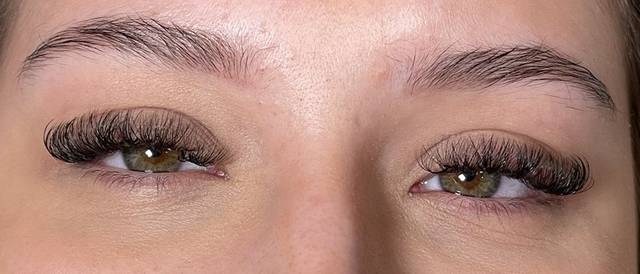








Natural Lash Growth Cycle
- Name the three phases of the natural lash growth cycle and describe what happens in each
- Explain why every lash on the eye is at a different stage
- Recognise which natural lashes are suitable for an extension
- Use the growth cycle to explain shedding and infill timing to clients
Every natural lash grows, rests and sheds on its own timetable. Understanding that cycle is one of the most important things you'll learn, because it explains why lashes fall out, why clients need infills, and why some lashes should never carry an extension.
The golden rule: natural lash health always comes before the look. A set is only beautiful if the natural lashes underneath stay healthy.
The three phases
Anagen
The growth phase. The follicle is actively producing the lash, which gets longer and thicker. Lashes in early anagen are short, fine and often lighter at the tip. These are the "baby lashes" you leave unextended.
Catagen
The transition phase. Growth stops and the follicle shrinks. The lash is no longer getting longer. If a lash is lost here, a new one won't replace it until the cycle restarts.
Telogen
The resting phase. The lash is fully grown and sits in the follicle until it sheds naturally. A new anagen lash then begins to grow in its place. This is usually the longest phase.
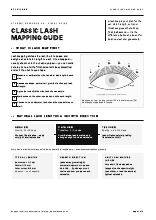
Anagen: around 30–45 days · Catagen: 2–3 weeks · Telogen: up to around 100 days
As given in your Classic Lash Mapping Guide (Student Resource 04). Every client's cycle is a little different.
Why every lash is at a different stage
Your client's lashes don't all grow together. At any moment, some are growing, some are transitioning and some are resting. That's why lashes shed a few at a time, every day, rather than all at once. Losing a few natural lashes per eye each day is normal, and each one takes its extension with it.
This is exactly why clients need infills. As lashes shed and new ones grow in, the set gradually looks sparser, and you replace what's been lost.
What this means at the lash bed
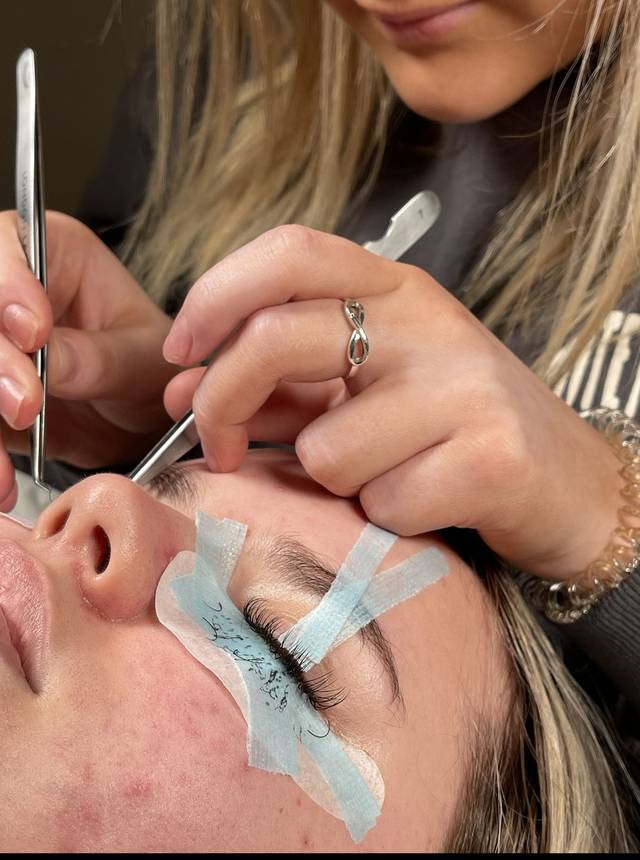
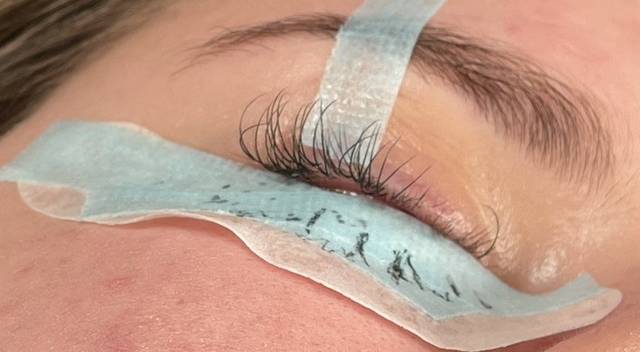
- Only extend mature lashes. A healthy lash with good length and thickness can support a suitable extension.
- Leave baby lashes alone. A short, fine lash in early anagen is too weak to carry the weight. It may be damaged, and the extension will grow out at an awkward angle as the lash lengthens.
- Isolate carefully. Bonding a fast-growing lash to a resting lash pulls on both as one grows. Full isolation is covered in Lesson 7.5.
- Match weight to the lash. Extension length, thickness and curl must suit each natural lash. Weight guidelines are covered in Lesson 3.5.
Key terminology
- Anagen
- The active growth phase of the lash.
- Catagen
- The short transition phase when growth stops.
- Telogen
- The resting phase, ending in natural shedding.
- Baby lash
- A new, short, fine lash in early anagen. Not suitable for an extension.
- Shedding
- The natural loss of a lash at the end of its cycle.
- Infill
- A maintenance appointment to replace extensions lost through shedding.
Common mistakes
- Extending every visible lash to make a set look fuller, including baby lashes.
- Telling clients their lashes are "falling out" because of the extensions, when they're seeing normal shedding.
- Choosing one length and thickness for the whole eye without checking each natural lash.
- Stuck lashes from poor isolation, which pull on lashes at different stages.
Activity: put the cycle in order
Key takeaways
- Every lash moves through anagen, catagen and telogen, then sheds and is replaced.
- Lashes are all at different stages, so daily shedding is normal.
- Only mature, healthy lashes should carry an extension.
- The growth cycle is why clients need regular infills.